

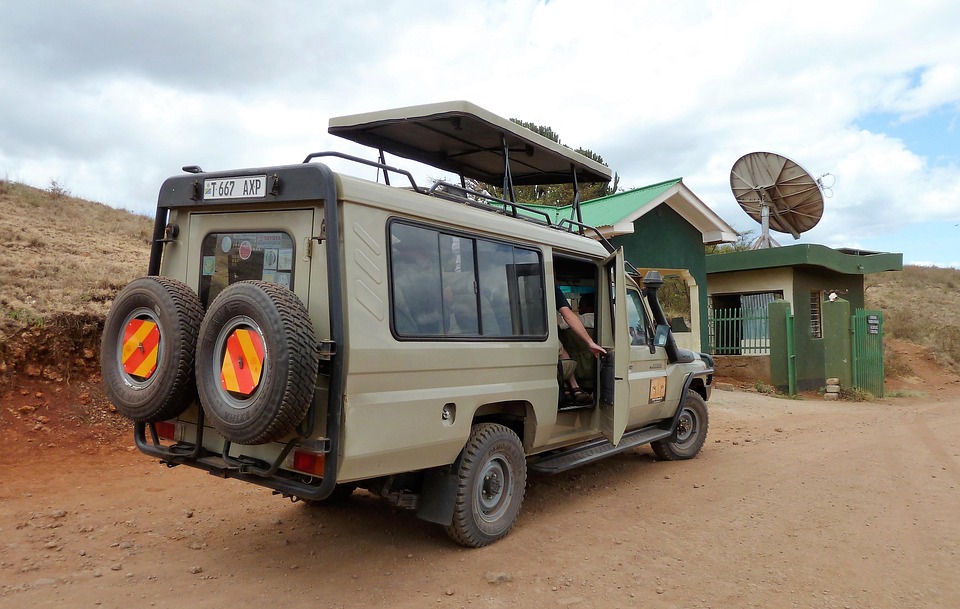
HOW TO BOOK THE PERFECT 4X4 FOR RWANDA'S NATIONAL PARKS
Rwanda's national parks stand among Africa's most spectacular wildlife and nature destinations, offering experiences that range from tracking endangered mountain gorillas through misty volcanic slopes to watching elephants and lions roam the savanna plains, and from encountering chimpanzees in ancient rainforests to witnessing countless bird species in pristine wetland ecosystems. These remarkable protected areas showcase the incredible biodiversity that thrives within this small but ecologically rich nation, and exploring them properly requires more than just enthusiasm and a sense of adventure—it demands the right vehicle capable of handling diverse terrain, unpredictable weather conditions, and the unique challenges that come with accessing remote wilderness areas. Understanding how to select and book the perfect 4x4 rental for your Rwanda safari adventure represents a critical first step toward ensuring your national park experiences exceed expectations while maintaining safety, comfort, and reliability throughout your journey.
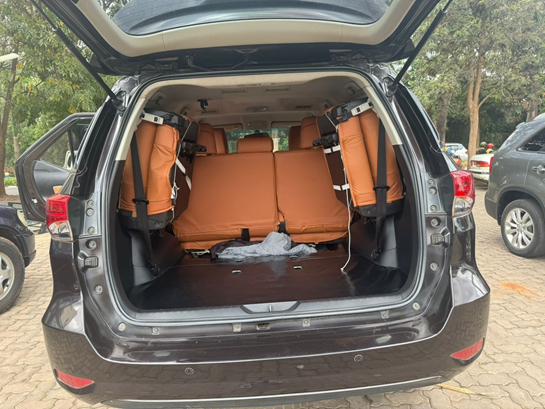
Understanding Why 4x4 Vehicles Are Essential for Rwanda's National Parks
Many first-time visitors to Rwanda question whether a four-wheel-drive vehicle is truly necessary for their national park visits, sometimes hoping that standard sedans or two-wheel-drive vehicles might suffice to save costs. While such vehicles work perfectly for urban exploration and travel along major paved highways, venturing into Rwanda's national parks presents entirely different challenges that make 4x4 capabilities essential for proper park exploration. The terrain within and leading to these protected areas often features unpaved roads, steep inclines, muddy tracks during rainy seasons, rocky surfaces, and stream crossings that would leave conventional vehicles stuck, damaged, or simply unable to proceed. Even during dry seasons when roads might appear manageable, sudden weather changes can transform conditions within hours, making the ground clearance, traction, and power of four-wheel-drive systems invaluable for maintaining mobility and safety.
Beyond mere capability to navigate difficult terrain, 4x4 vehicles provide elevated driving positions that significantly enhance wildlife viewing opportunities during game drives. The higher seating position allows passengers to see over tall grass and vegetation, spotting animals that would remain hidden from lower vehicles while also providing better photographic angles for capturing memorable images. This advantage proves particularly valuable in Akagera National Park where safari game drives constitute the primary activity, with visitors spending hours traversing the park's diverse habitats in search of the Big Five and other wildlife species. The robust suspension systems of quality 4x4 vehicles also absorb the jolts and bumps of rough roads far better than standard cars, keeping passengers comfortable during extended drives and protecting your back and spine from the cumulative impact of poor road surfaces.
Furthermore, many lodge accommodations within or near national parks are accessed via roads that absolutely require four-wheel-drive vehicles, meaning your vehicle choice directly impacts your accommodation options. Some of Rwanda's most atmospheric and well-positioned lodges deliberately maintain rustic access roads that preserve the wilderness character while limiting visitor numbers, and reaching these special places demands appropriate vehicles. When you rent 4x4 SUV vehicles for Rwanda exploration, you're not just hiring transportation—you're securing access to experiences and locations that remain off-limits to conventional vehicles, dramatically expanding your possibilities for authentic wilderness encounters.
Comparing Different 4x4 Models Available for Rwanda Safaris
The Rwanda car rental market offers various 4x4 models, each with distinct characteristics, capabilities, and price points that suit different needs and preferences. Understanding these differences helps you make informed decisions that balance capability with budget while ensuring your chosen vehicle matches your specific itinerary requirements. The Toyota Land Cruiser represents the gold standard for African safaris, combining legendary reliability with exceptional off-road capabilities, spacious interiors, and powerful engines that handle any challenge Rwanda's national parks might present. These vehicles have earned their stellar reputation through decades of proven performance in harsh African conditions, and rental companies maintain them meticulously because their reliability protects both customer satisfaction and company reputation.
For travelers seeking Land Cruiser capability in a slightly more compact package, the Toyota Land Cruiser Prado offers similar reliability with marginally better fuel efficiency and easier urban maneuverability while maintaining the off-road prowess necessary for serious park exploration. The Prado's slightly smaller size makes parking in busy areas more manageable without compromising the essential capabilities that make it excellent for Rwanda off-road adventures with 4x4 rentals. Many experienced travelers find the Prado hits the sweet spot between capability and practicality, especially for itineraries that combine national park visits with city stays and cultural site explorations.
The Toyota RAV4 occupies the more affordable end of the 4x4 spectrum while still providing genuine four-wheel-drive capabilities suitable for most Rwanda national park visits during dry seasons. While not quite matching the extreme capability of Land Cruisers in the most challenging conditions, RAV4s handle normal park roads admirably while offering superior fuel economy and lower rental rates that appeal to budget-conscious travelers. When considering the comparison between Toyota Land Cruiser and Toyota RAV4 as the best 4x4 rental options, your decision should factor in your travel dates (dry versus rainy season), your specific park itinerary (some parks demand more capability than others), and your budget constraints balanced against your comfort and safety priorities.
Alternative options include vehicles like the Hyundai Santa Fe and Kia Sorento, which provide capable all-wheel-drive systems and comfortable interiors at competitive price points. While these Korean brands may lack the long-standing safari reputation of Toyota products, they offer modern features, warranties, and reliability that make them viable alternatives worth considering. For those seeking the best SUV rentals in Rwanda comparing Prado, RAV4, and Land Cruiser options, the decision often comes down to balancing budget against capability requirements, with the understanding that slightly higher costs for more capable vehicles often prove worthwhile investments in comfort, safety, and access to a broader range of experiences.

Matching Vehicle Choice to Your Specific Park Itinerary
Different national parks in Rwanda present varying challenges and requirements that should influence your vehicle selection strategy. Akagera National Park's relatively flat savanna terrain features well-maintained dirt roads that most 4x4 vehicles handle easily during dry seasons, though rainy periods can create muddy conditions where more capable vehicles like Land Cruisers provide peace of mind and reliable traction. The park's extensive road network allows comprehensive wildlife viewing circuits, and having a dependable 4x4 means you can explore thoroughly without worrying about getting stuck in soft sand near lakes or muddy sections through wooded areas where buffalo and elephants frequently cross roads.
In contrast, accessing Volcanoes National Park for gorilla trekking adventures involves navigating steep mountain roads with sharp curves and significant elevation changes that demand vehicles with strong engines and excellent braking systems. While the main roads to park headquarters remain paved and accessible to most vehicles, many nearby accommodations and cultural sites are reached via rough tracks where ground clearance and four-wheel-drive become essential. Additionally, the high altitude and often cool, wet conditions mean that vehicles must perform reliably in environments that stress engines and electrical systems differently than lowland driving, making the proven reliability of Toyota vehicles particularly valuable for these highland adventures.
Nyungwe National Park presents perhaps the most challenging driving conditions of Rwanda's major protected areas, with steep mountain roads, frequent rain even during supposedly dry seasons, and roads that can become slippery and treacherous with minimal warning. The park's location in Rwanda's southwestern highlands means accessing it requires several hours of mountain driving where reliable brakes, good tires, and confident four-wheel-drive systems make the difference between comfortable travel and white-knuckle anxiety. When planning itineraries that include Nyungwe, many experienced travelers specifically request Land Cruisers or Prados to ensure adequate capability for the challenging terrain and weather conditions they're likely to encounter.
If your itinerary involves visiting multiple parks during a single trip, selecting a vehicle capable of handling the most challenging destination ensures versatility throughout your journey. While this might mean paying slightly more for a more capable vehicle than strictly necessary for easier parks, the peace of mind and flexibility prove worthwhile investments. Understanding the top national parks to visit on self-drive tours in Rwanda and their specific access requirements helps you make informed vehicle selections that match your ambitions without overpaying for unnecessary capability or, worse, underestimating requirements and ending up in difficult situations with inadequate vehicles.
Timing Your Booking for Best Availability and Rates
The Rwanda tourism calendar features distinct high and low seasons that significantly impact vehicle availability and rental rates, making timing an important consideration in your booking strategy. Peak seasons, particularly June through September and December through February, see dramatically increased demand for quality 4x4 vehicles as travelers flock to Rwanda for gorilla trekking and safari adventures during favorable weather conditions. During these busy periods, booking your 4x4 rental well in advance becomes essential to secure your preferred vehicle model at reasonable rates, with many rental companies fully booking their best vehicles months ahead of peak season dates.
Advance booking provides additional benefits beyond mere availability, as many rental companies offer early booking discounts that can reduce your overall costs substantially. These savings sometimes amount to fifteen to twenty percent off standard rates, particularly for longer rental periods or when booking multiple vehicles for group travel. Furthermore, early booking allows you more time to communicate with rental companies about your specific needs, arrange any special equipment or modifications you might want, and coordinate pickup and drop-off logistics that align perfectly with your flight schedules and itinerary. When you understand the best time to rent a car in Rwanda for your safari adventure, you can strategically time both your trip dates and your booking to maximize availability while minimizing costs.
Conversely, traveling during shoulder or low seasons (March through May, October through November) offers advantages including lower rental rates, less crowded parks, and often more attentive service from both rental companies and park lodges dealing with fewer guests. While these periods coincide with rainy seasons that can make driving more challenging, they also present lush, green landscapes, excellent bird watching opportunities, and substantially reduced costs across accommodation, activities, and vehicle rentals. If your schedule allows flexibility, you might find that timing your visit to benefit from special deals and promotions during quieter periods provides excellent value while still delivering wonderful national park experiences.

Understanding Rental Terms, Insurance, and Additional Costs
Navigating the fine print of rental agreements requires attention to detail and understanding of what various terms and conditions actually mean for your practical experience and financial exposure. Most 4x4 rental agreements specify daily or weekly rates that may initially appear straightforward, but careful examination reveals additional elements that significantly impact your total costs. Mileage policies vary among companies, with some offering unlimited mileage while others impose daily limits and charge substantial fees for excess kilometers. For national park itineraries involving extensive driving between distant locations, unlimited mileage policies provide better value and eliminate the stress of monitoring odometers and calculating whether extra stops will trigger penalty charges.
Insurance represents another critical component deserving thorough attention and understanding. Basic insurance typically included in rental rates covers major damage and theft but often includes substantial deductibles that could leave you liable for significant sums if incidents occur. Collision Damage Waiver (CDW) and Theft Protection reduce or eliminate these deductibles, while Super CDW options provide zero-deductible coverage that maximizes your protection and peace of mind. When renting vehicles for Rwanda safari adventures, where rough roads and wildlife encounters create elevated risk of minor damage like scratches from overhanging branches or small dents from rocks, comprehensive insurance coverage often proves worthwhile despite adding to base rental costs.
Additional costs to consider and clarify before booking include fuel policies (full-to-full, pre-purchase, or other arrangements), driver age restrictions and potential young driver surcharges, cross-border permits if you plan to visit neighboring countries, camping equipment rental if needed, GPS navigation fees, additional driver charges if multiple people will share driving responsibilities, and airport pickup or drop-off fees. Some companies bundle many services into inclusive packages that initially appear more expensive but actually deliver better value than base rates with numerous add-ons. Taking time to understand rental terms and conditions thoroughly prevents unwelcome surprises and helps you accurately compare options across different rental companies.
Selecting a Reputable Rental Company
The rental company you choose matters just as much as the specific vehicle model you select, because even perfect vehicles become problematic if supported by unreliable, unresponsive companies with poor service standards. Opting for a reputable car hire service in Rwanda should prioritize companies with strong track records, transparent policies, well-maintained fleets, and comprehensive customer support systems that provide assistance when needed. Reading reviews from previous customers offers valuable insights into real-world experiences that marketing materials rarely reveal, highlighting both strengths to appreciate and potential issues to avoid or at least prepare for mentally.
Established companies typically maintain newer, better-maintained vehicles compared to budget operators who sometimes offer tempting rates on older vehicles that may prove unreliable or uncomfortable during extended safari drives. The modest savings from choosing cheaper operators often disappears quickly if mechanical problems force you to waste precious vacation time dealing with breakdowns rather than enjoying your planned activities. Furthermore, reputable companies maintain comprehensive insurance coverage and professional support staff who can arrange replacements if serious problems occur, while budget operators may leave you stranded without alternatives or adequate compensation. When evaluating why certain companies represent the best car rental options in Rwanda, consider factors beyond just price to include fleet quality, service responsiveness, transparency, and the overall professionalism that distinguishes excellent providers from merely adequate ones.
Looking for companies that specifically cater to safari and adventure travelers rather than primarily business or urban rental markets often yields better results for national park itineraries. Safari-focused companies understand the unique requirements and challenges of park driving, maintain vehicles specifically suited to these conditions, and provide knowledgeable advice about routes, timing, and preparation. They're more likely to offer specialized safari car hire services that include relevant equipment like roof racks, recovery gear, and detailed route information that enhances your experience beyond mere transportation.
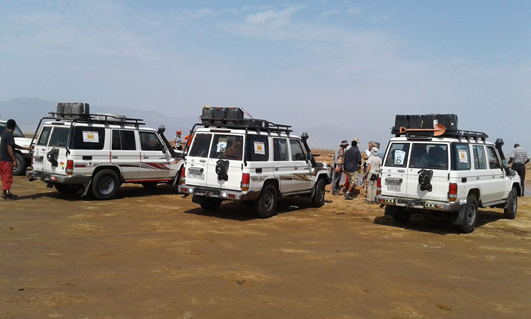
Preparing for Vehicle Collection and Pre-Departure Inspection
The moment you collect your rental vehicle represents a critical opportunity to ensure everything meets your expectations and requirements before departing on your national park adventure. Conducting a thorough pre-departure inspection protects you from liability for pre-existing damage while also confirming that all agreed-upon features and equipment are present and functional. Begin by carefully examining the vehicle's exterior in good lighting, documenting any scratches, dents, or other damage with detailed photographs that clearly show both the damage and its location on the vehicle. Most rental companies conduct this inspection with you, creating written records that both parties sign, but your personal photographic documentation provides additional protection against potential disputes.
Beyond cosmetic condition, verify that all essential systems function properly by testing lights, indicators, windshield wipers, air conditioning, heating systems, and entertainment features if included. Check that the spare tire is present, properly inflated, and accompanied by all necessary tools for changing tires, as discovering missing equipment after leaving the rental office becomes extremely inconvenient, particularly if tire problems occur in remote areas far from assistance. Confirm that the vehicle carries all required documentation including rental agreements, insurance papers, and vehicle registration, which police may request at checkpoints or in case of accidents.
Take time to familiarize yourself with the vehicle's controls, features, and quirks before leaving the rental lot, asking the rental agent to demonstrate anything unfamiliar. Different vehicles place controls in various locations, and fumbling to locate headlight switches or windshield wiper controls while navigating challenging roads proves both frustrating and potentially dangerous. Adjust seats, mirrors, and steering wheel position for optimal comfort and visibility, recognizing that you may spend many hours behind the wheel and proper ergonomics significantly impact fatigue levels. If the vehicle includes GPS navigation, program your first destination and verify it functions correctly before departing, ensuring you understand the interface and can operate it confidently.
Essential Equipment and Modifications for Park Driving
Beyond the vehicle itself, certain equipment and modifications enhance safety, comfort, and capabilities during national park explorations. Many safari-focused rental companies offer optional equipment that proves valuable for specific activities or conditions. Roof racks provide additional storage capacity for luggage, camping gear, or supplies, keeping the interior cabin clear and comfortable while expanding your carrying capacity. However, be mindful that loading roof racks with heavy items raises the vehicle's center of gravity, potentially affecting stability on rough roads or steep inclines, so distribute weight thoughtfully and secure loads properly to prevent shifting during transit.
For serious wildlife photography enthusiasts, vehicles with pop-up roofs or large sunroofs facilitate better viewing angles and camera positioning during game drives, though these features remain relatively rare in Rwanda compared to East African countries with more established safari tourism industries. Window-mounted camera rests or beanbags help stabilize cameras and telephoto lenses for sharper wildlife images, and most safari vehicles accommodate such accessories easily. Some travelers bring their own photography equipment while others inquire whether rental companies can provide such specialized items, which occasionally they can arrange for additional fees.
Camping enthusiasts planning to stay in park campsites should verify that rental vehicles meet any specific requirements and understand what camping and overland vehicle rental options include versus what you'll need to source separately. Some specialized rental vehicles come equipped with roof tents, cooking equipment, camping chairs, and other gear integrated into comprehensive camping packages, while standard 4x4 rentals may require you to source camping equipment independently. Clarifying these details during booking prevents disappointments and ensures you arrive at remote campsites with everything necessary for comfortable, safe overnight stays in wilderness settings.
Planning Fuel Strategy for National Park Adventures
Fuel availability and consumption rates deserve careful consideration when planning national park itineraries with rental 4x4 vehicles. While petrol stations appear regularly throughout Kigali and along major highways, they become scarce once you venture into more remote regions near or within national parks. Developing a refueling strategy that prioritizes topping off whenever stations appear rather than waiting until tanks run low prevents anxious searches for fuel in areas with limited infrastructure. Understanding your vehicle's fuel consumption rate under various conditions helps you calculate how far you can travel between refueling opportunities, providing confidence to venture into remote areas without range anxiety.

Four-wheel-drive vehicles, particularly larger models like Land Cruisers, typically consume more fuel than standard sedans, and rough road conditions with frequent gear changes and low-speed driving increase consumption beyond highway rates. When renting Toyota Land Cruisers to conquer Rwanda's toughest terrains, budget for higher fuel costs compared to more economical vehicles, recognizing that this increased expense represents the price of capability and comfort. Some rental agreements require you to return vehicles with the same fuel level as at pickup (full-to-full policy), making it important to note the fuel level at collection and plan your final refueling accordingly to avoid unnecessary charges or waste.
Carrying emergency fuel in approved containers provides additional security when venturing into very remote areas, though most Rwanda national park itineraries don't require this precaution due to the country's relatively compact size and reasonable fuel station distribution. More relevant concerns involve carrying adequate water, snacks, and basic supplies in case you spend longer in remote areas than initially planned, whether due to exceptional wildlife sightings, difficult road conditions causing delays, or simply getting absorbed in the beauty and peace of wilderness environments where time seems to slow down.
Coordinating Accommodation Bookings with Vehicle Capabilities
Your vehicle choice directly impacts which accommodation options become accessible during your national park visits, as many lodges and campsites are reached via roads that absolutely require four-wheel-drive vehicles. Some of Rwanda's most atmospheric and well-positioned lodges maintain rustic access roads that preserve wilderness character, and reaching these special places demands appropriate vehicles. When evaluating accommodation options during your planning phase, research access road conditions and requirements to ensure your intended vehicle can reach chosen properties safely and legally, as some lodges explicitly require or strongly recommend specific vehicle types.
Coordinating your vehicle rental with accommodation bookings also involves timing considerations, as check-in times, distances between locations, and driving speeds on various road types affect how much you can reasonably accomplish in single days. Overambitious itineraries that underestimate driving times between destinations create stress and potentially force you to rush through experiences that deserve leisurely appreciation. Building buffer time into your schedule accommodates unexpected delays, spontaneous stops at interesting locations, and simple relaxation that transforms trips from frantic rushing between checkboxes into genuine adventures with space for serendipity and authentic engagement.
Some lodge packages include guided activities that depart at specific times, requiring you to arrive before certain hours to participate. Understanding these scheduling constraints when planning your daily driving distances helps ensure you can participate fully in activities you've paid for rather than arriving too late for morning gorilla treks or guided nature walks. Discussing your itinerary with your rental company often yields valuable insights about realistic timing, challenging road sections to anticipate, and strategic stopover points that break long drives into manageable segments while adding interesting experiences along your route.
Understanding Park-Specific Regulations for Vehicles
Each of Rwanda's national parks maintains specific regulations regarding vehicle use that visitors must understand and follow to avoid conflicts with park authorities. Akagera National Park requires all vehicles to remain on designated roads at all times, prohibiting off-road driving that damages sensitive grassland ecosystems and disturbs wildlife. While this restriction rarely proves problematic given the extensive road network throughout the park, it does mean you must resist temptations to drive closer to animals even when they appear tantalizingly near just off established tracks. Park rangers enforce these rules strictly, and violations can result in fines or ejection from the park, so respecting boundaries serves everyone's interests.
Speed limits within national parks are typically lower than public roads, usually restricting vehicles to 40 kilometers per hour or less to minimize disturbance to wildlife and reduce accident risks with animals that might unexpectedly cross roads. These modest speeds actually enhance wildlife viewing by allowing better observation and providing ample time to stop when animals appear, transforming what might feel like restrictions into advantages that improve your overall experience. Additionally, staying in your vehicle except at designated stops remains mandatory in parks with potentially dangerous animals, as stepping outside vehicles in areas with lions, elephants, or buffalo creates serious safety risks that parks seek to minimize through strict rules.
Nyungwe and Volcanoes National Parks don't permit private vehicle game drives within primary forest areas where you might encounter gorillas or chimpanzees on foot, though vehicles transport you to trailheads where guided treks begin. Understanding these activity-specific vehicle requirements helps set appropriate expectations about how you'll experience different parks and which vehicles best serve various itineraries. Some activities like the Nyungwe canopy walk require hiking to access the attraction, with parking areas provided at trailheads, while Akagera's entire wildlife viewing experience occurs from your vehicle, making comfort and visibility features more critical for that park specifically.
Driving Techniques for Challenging Park Conditions
Successfully navigating Rwanda's national parks demands specific driving techniques adapted to off-road conditions, wildlife presence, and variable weather. When encountering muddy sections, maintaining steady momentum without excessive speed helps you pass through without getting stuck, as stopping or accelerating aggressively often causes wheels to spin and dig into soft ground. If you do become stuck, resist the temptation to aggressively accelerate, which typically makes situations worse by digging deeper holes. Instead, try rocking the vehicle gently between forward and reverse gears, placing branches or floor mats under tires for traction, or seeking assistance from park rangers or other visitors rather than risking damage to the vehicle or environment through overly aggressive recovery attempts.
Steep descents require careful technique involving lower gears to control speed through engine braking rather than relying primarily on your brake pedal, which can overheat during extended descents and lose effectiveness precisely when you need it most. Modern 4x4 vehicles often include hill descent control systems that automatically maintain slow, controlled speeds on steep slopes, and engaging these features when available reduces stress while enhancing safety. Conversely, steep ascents may require building momentum on approach while selecting lower gears that provide more power, though avoiding excessive speed that might cause loss of control if traction breaks unexpectedly remains important.
Water crossings, while relatively rare in Rwanda's national parks, require careful assessment before entering to verify depth and substrate conditions. If you must cross flowing water, proceed slowly and steadily, avoiding sudden acceleration or braking that might cause stalling or loss of traction. Never attempt to cross water of unknown depth or fast-moving currents that might sweep vehicles downstream, and when in doubt, seek local advice or alternative routes rather than risking dangerous situations. Remember that even capable 4x4 vehicles have limits, and respecting those boundaries prevents accidents while protecting the substantial deposits you've committed to the rental company.
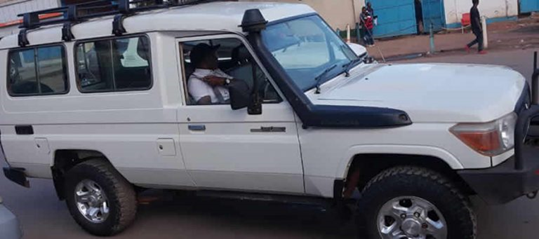
Wildlife Encounter Protocols and Safety Considerations
Encountering wildlife represents the primary reason most travelers visit Rwanda's national parks, but these magical moments require appropriate behavior to ensure safety for both humans and animals. When spotting animals from your vehicle, maintain a respectful distance that doesn't stress wildlife or trigger defensive reactions, particularly with potentially dangerous species like elephants, buffalo, and hippos. Even herbivores pose serious threats when they feel threatened or cornered, and maintaining safe separation distances allows animals to behave naturally while keeping you safe. Park regulations typically specify minimum approach distances for different species, and respecting these rules demonstrates the conservation-minded attitude that makes wildlife tourism sustainable.
If animals approach your vehicle, remain calm and still, allowing them to investigate at their own pace and move on when ready rather than attempting to drive away suddenly, which might startle animals and provoke dangerous reactions. Elephants occasionally block roads or inspect vehicles with their trunks, and patient waiting almost always results in the animals moving on peacefully once their curiosity is satisfied. However, if an elephant displays obvious agitation like flapping ears, trumpet calls, or mock charges, slowly backing away while maintaining a calm demeanor gives the animal space without triggering full defensive behavior.
Never exit your vehicle in areas with potentially dangerous wildlife unless at designated safe zones specifically marked for that purpose, as even apparently calm animals can move with surprising speed to cover significant distances rapidly. Many apparently docile animals become dangerous when surprised, and the protection of your vehicle's metal shell represents crucial safety that disappears the moment you step outside. Taking photographs from vehicle windows or sunroofs maintains safety while still allowing excellent images, and modern camera equipment with powerful zoom lenses eliminates any need to leave vehicles for close-up shots that simply aren't worth the risks involved.
Maximizing Your National Park Experience Through Flexibility
While careful planning provides essential structure for successful park visits, maintaining flexibility to adapt to unexpected opportunities or changing conditions often yields the most memorable experiences. Wildlife appears on its own schedule rather than according to human itineraries, and allowing extra time for exceptional sightings when they occur transforms good trips into extraordinary ones. If you encounter a leopard hunting or elephants bathing, extending your observation time beyond your original schedule makes sense even if it means cutting short less compelling activities later or adjusting dinner reservations at your lodge.
Weather conditions similarly warrant adaptive responses, as rain or excessive heat might make some activities less enjoyable while rendering others more productive. Bird watching often improves during overcast conditions when birds are more active, while sunny afternoons might prove too hot for comfortable wildlife drives but perfect for relaxing at your lodge or exploring nearby cultural sites. Making the most of your Rwanda road trip with flexible scheduling requires balancing structure with spontaneity, maintaining core commitments like gorilla trekking permits that cannot be changed while staying open to adjusting less critical elements when opportunities or conditions suggest alternatives.
Engaging with park rangers, lodge staff, and other visitors provides valuable intelligence about recent wildlife sightings, road conditions, and emerging opportunities that might warrant itinerary adjustments. Perhaps rangers mention that lions have made kills in particular areas, or other visitors report exceptional bird activity at specific locations—responding to such information by modifying your plans often leads to experiences you couldn't have anticipated during initial planning phases. This adaptive approach requires the independence that self-drive provides, as group tours on fixed schedules can rarely accommodate such spontaneous adjustments regardless of opportunities that arise.
Combining Multiple Parks in Extended Itineraries
Many visitors to Rwanda aspire to experience multiple national parks during single trips, and successfully combining parks requires thoughtful planning that accounts for distances, driving times, required rest days, and transition logistics. Planning itineraries that visit top Rwanda destinations often involves circuits that begin and end in Kigali while visiting Akagera, Nyungwe, and Volcanoes National Parks in logical geographic sequences that minimize backtracking and maximize efficiency. The clockwise circuit visiting Akagera first, then proceeding to Nyungwe via southern Rwanda, and finishing at Volcanoes National Park before returning to Kigali represents one popular routing, though reverse sequences work equally well depending on where specific activities are booked.
Between park visits, incorporating rest days or cultural experiences breaks up intensive wildlife activities while adding diversity to your overall experience. Perhaps spending a day at Lake Kivu's beautiful shores between Nyungwe and Volcanoes Parks provides welcome relaxation and completely different scenery, or visiting Iby'iwacu Cultural Village near Volcanoes National Park adds fascinating cultural dimensions to primarily nature-focused itineraries. These transitional experiences prevent the fatigue that can accumulate during intensive travel schedules while exposing you to Rwanda's diverse attractions beyond just wildlife and nature.
For those with limited time who cannot visit all parks, selecting which parks to prioritize based on personal interests and unique offerings helps focus itineraries on experiences most aligned with your preferences. Gorilla trekking in Volcanoes National Park represents Rwanda's most iconic wildlife experience and should probably anchor any serious wildlife-focused visit, while Nyungwe's primates and birding appeal strongly to those passionate about forests and biodiversity. Akagera provides classic African savanna experiences with the Big Five that complement the mountain and forest environments of other parks, and combining at least two parks provides satisfying diversity without overwhelming limited vacation time with excessive travel.
Post-Rental Procedures and Feedback
As your national park adventure concludes and you prepare to return your rental 4x4, conducting a final inspection and coordinating the return process properly ensures smooth conclusions without unexpected charges or disputes. Most rental companies request vehicle returns during business hours rather than after-hours drop-offs, allowing staff to inspect vehicles and address any concerns while you're present. This timing benefits both parties by enabling immediate discussion of any damage noticed during the return inspection, clarifying whether issues existed previously or occurred during your rental period based on the documentation created during initial pickup.
Before returning your vehicle, refuel to the required level per your rental agreement, retaining fuel receipts that demonstrate compliance should any disputes arise about fuel charges. Remove all personal belongings thoroughly, checking under seats, in door pockets, glove compartments, and the cargo area to ensure nothing valuable gets left behind. Take final photographs showing the vehicle's condition, mileage, and fuel level as your own record of its status upon return, protecting yourself against potential unwarranted charges that might appear later.
Providing honest feedback to rental companies about your experience serves multiple purposes including helping companies improve their services, assisting future travelers in making informed decisions, and influencing your own treatment during potential future rentals with the same company. If you encountered excellent service, sharing positive reviews through platforms like TripAdvisor, Google, or direct testimonials supports companies that deliver quality while helping other travelers identify reliable providers. Conversely, if you experienced problems, constructive feedback communicated directly to companies gives them opportunities to address issues and potentially offer compensation or remedies, while public reviews warn other travelers about potential concerns. Sharing your Rwanda car rental experiences contributes to the broader travel community while potentially earning you discounts or perks from appreciative companies for future bookings.
Leveraging Technology for Enhanced Park Experiences
Modern technology offers numerous tools that enhance national park experiences when used thoughtfully. GPS navigation systems obviously help with basic wayfinding, but specialized applications like Maps.me or other offline mapping programs provide detailed maps that function without cellular coverage, which remains spotty or absent in many remote areas. Downloading relevant map regions before entering parks ensures navigation capability regardless of signal availability, and marking waypoints for particularly interesting locations allows you to return precisely to spots you'd like to revisit or share with others.
Wildlife identification applications like iNaturalist, Merlin Bird ID, or specialized African mammal guides turn smartphones into portable field guides that help identify unfamiliar species observed during game drives. While experienced guides possess superior knowledge, self-drive visitors conducting their own game drives benefit significantly from these technological identification aids that transform mysterious sightings into properly identified species with accompanying ecological information. Photography equipment similarly benefits from technological advancement, with modern cameras offering capabilities that would have seemed impossible just decades ago, enabling amateur photographers to capture professional-quality images that document and share their experiences.
However, balancing technological engagement with present-moment awareness remains important, as excessive focus on devices can cause you to miss subtle wildlife moments or fail to fully absorb the profound peace and beauty of wilderness environments. Perhaps establish guidelines like putting devices away during certain periods to simply observe and experience rather than constantly trying to capture and share, finding the balance between documentation and direct experience that makes trips both well-recorded and deeply felt. The goal is enhancing rather than replacing authentic engagement with Rwanda's magnificent national parks and the wonders they contain.

Final Thoughts on Booking Your Perfect Park 4x4
Selecting and booking the perfect 4x4 for exploring Rwanda's national parks involves numerous considerations spanning vehicle capabilities, rental company reputation, insurance coverage, timing strategies, budget management, and personal preferences that together determine whether your national park adventures exceed expectations or disappoint due to preventable shortcomings. The effort invested in thoughtful selection pays dividends throughout your journey, providing confidence, comfort, and capability that allow you to focus on wildlife, landscapes, and experiences rather than worrying about vehicle performance or rental company reliability. Whether you choose a legendary Toyota Land Cruiser for maximum capability, a practical Toyota RAV4 for budget-conscious exploration, or any of the capable options in between, matching your vehicle to your specific itinerary and needs creates the foundation for successful adventures.
Remember that the "perfect" 4x4 varies between travelers based on individual priorities, with some valuing maximum capability above all else while others prioritize economy or specific comfort features. Honest self-assessment of your driving experience, comfort with challenging conditions, and genuine itinerary requirements helps you select appropriately rather than either overpaying for unnecessary capabilities or underestimating needs and ending up in difficult situations. Trusting reputable car rental companies with proven track records provides essential support systems and maintained vehicles that make national park exploration accessible to travelers of varying experience levels, transforming what might seem daunting into manageable adventures that create lifelong memories.
Rwanda's national parks await your discovery, each offering unique wonders from mountain gorillas in misty forests to lions prowling golden savannas, from ancient rainforest canopies alive with primates to serene lake shores where hippos wallow contentedly. Experiencing these treasures through self-drive with appropriate 4x4 vehicles provides unmatched freedom to explore at your own pace, returning to particularly special locations multiple times, adjusting schedules based on wildlife activity and personal energy levels, and creating authentic adventures shaped by your own curiosity and interests rather than predetermined tour itineraries. Your perfect 4x4 awaits booking, ready to carry you into some of Africa's most spectacular wilderness areas where experiences of a lifetime unfold beyond your windshield.
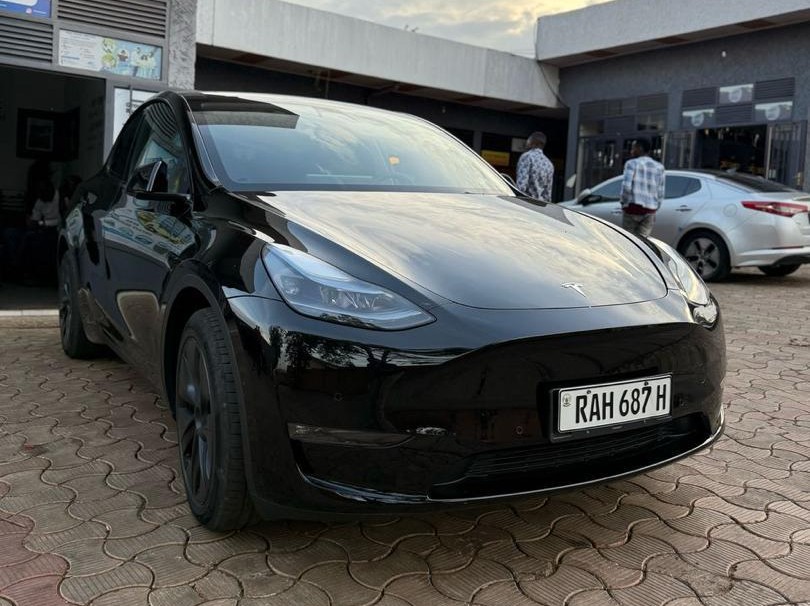
 Tesla
Tesla
 Compact Crossover SUV